One of the hardest truths about caregiving is this: the more you care for someone else, the more likely you are to neglect yourself.
Caregivers everywhere are exhausted, overwhelmed, and emotionally drained — yet you still show up every day. You schedule appointments, manage medications, worry about safety, and carry the emotional weight… often without a break, and often without enough support.
And somewhere in that process, your own needs quietly slide to the bottom of the list. Your days become centered around what your loved one needs, while you start running on less and less.
I know this from personal experience.
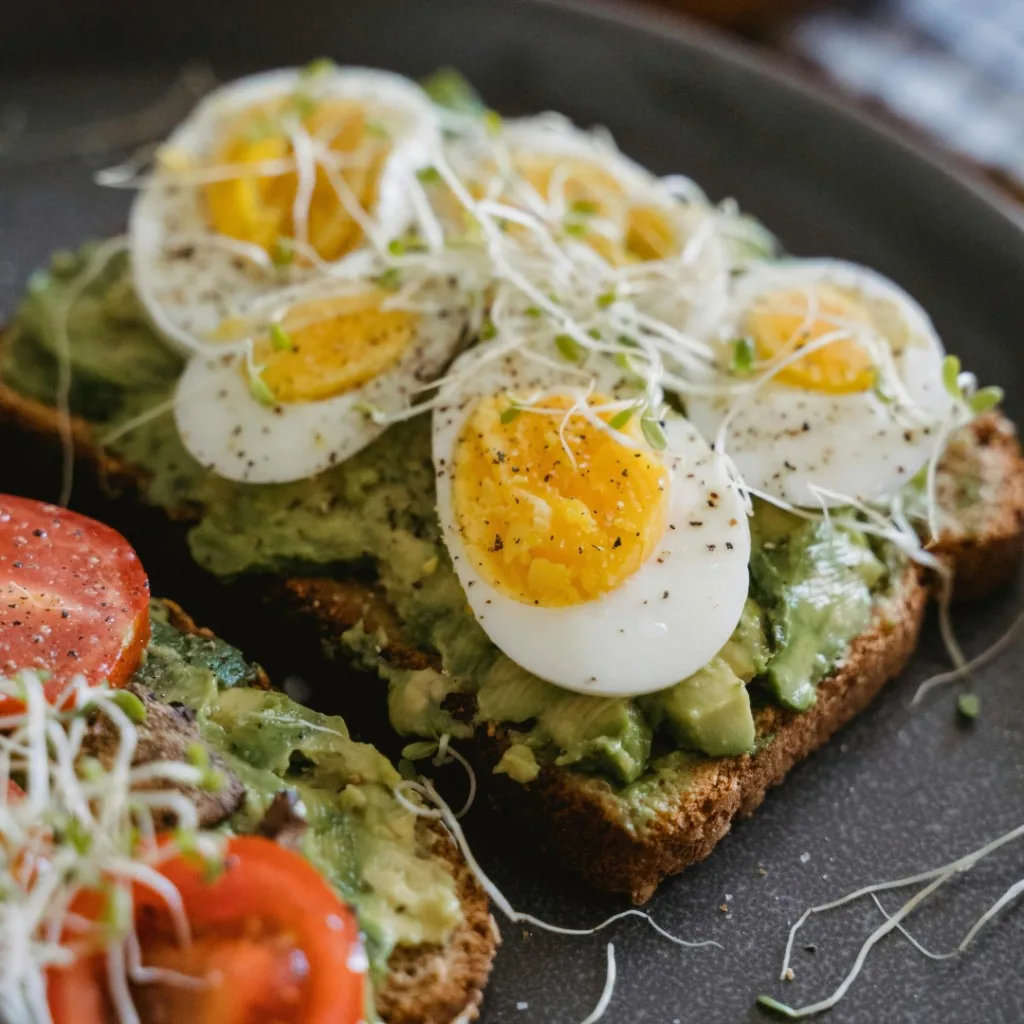
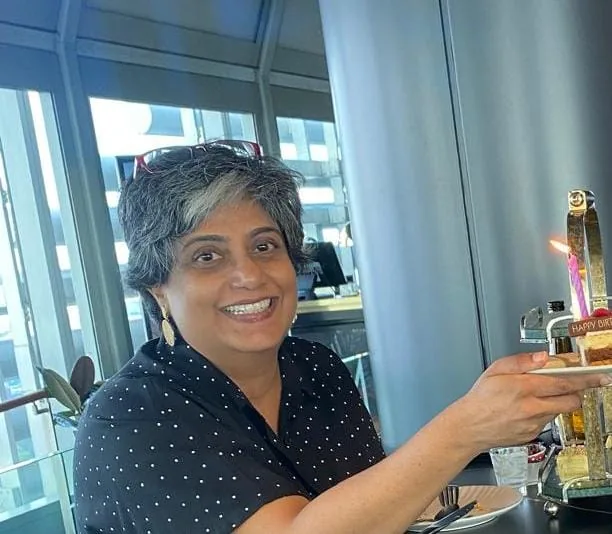
I was served my meal at a cafe and as I ate, tears started rolling down my face - was near sobbing. I understood deeply. Been running around from the hospital (mom was warded), clinic (sibling's appointment), supermarket (helper was sick), school (studying for MBA), and work (running a business). As things go, my meeting was cancelled just as I found us a table. In all of that melee, eating was the last thing on my list. A simple meal - toast, avocado, eggs and ham with coffee. One that didn't require my effort, planning or attention to make nor something just thrown together. It was made for me. Felt like God needed me to stop and couldn't find any other way to get my attention.
That's the Caregiving Tax we pay as caregivers. There's no glory in this selfless service - maybe in the afterlife but I'm not counting my chickens. It's a taxing gig that we may or not have signed up for.
Not money — but sleep, time, patience, health, friendships, and the parts of you that used to feel like you.
And this isn't rare. Globally, an estimated 16.4 billion hours of unpaid care work are done every day — roughly the equivalent of 2 billion people working 8 hours a day for free.
This is exactly why we built Dez.
Because caregiving shouldn't rely on memory, scattered notes, or you being "on" 24/7. Dez is built to reduce the mental load — helping families stay on top of daily care, spot what needs attention, and create more breathing room for the caregiver too.
Self-care doesn't have to be big or unrealistic. But it is critical.
Self-care can look like:
• Drinking water
• Getting a "happy light" if you aren't getting enough sunshine
• Brushing your teeth or doing your hair
• Taking a real break without feeling guilty
• Setting small emotional boundaries when you feel overwhelmed or people overstep
• Making space for one thing you enjoy — even 10 minutes (an exercise video, calling a friend, sitting in a café with a coffee)
Caring for you isn't selfish. It's necessary.