
When you start caring for a parent or a sibling with a chronic condition, the advice comes quickly.
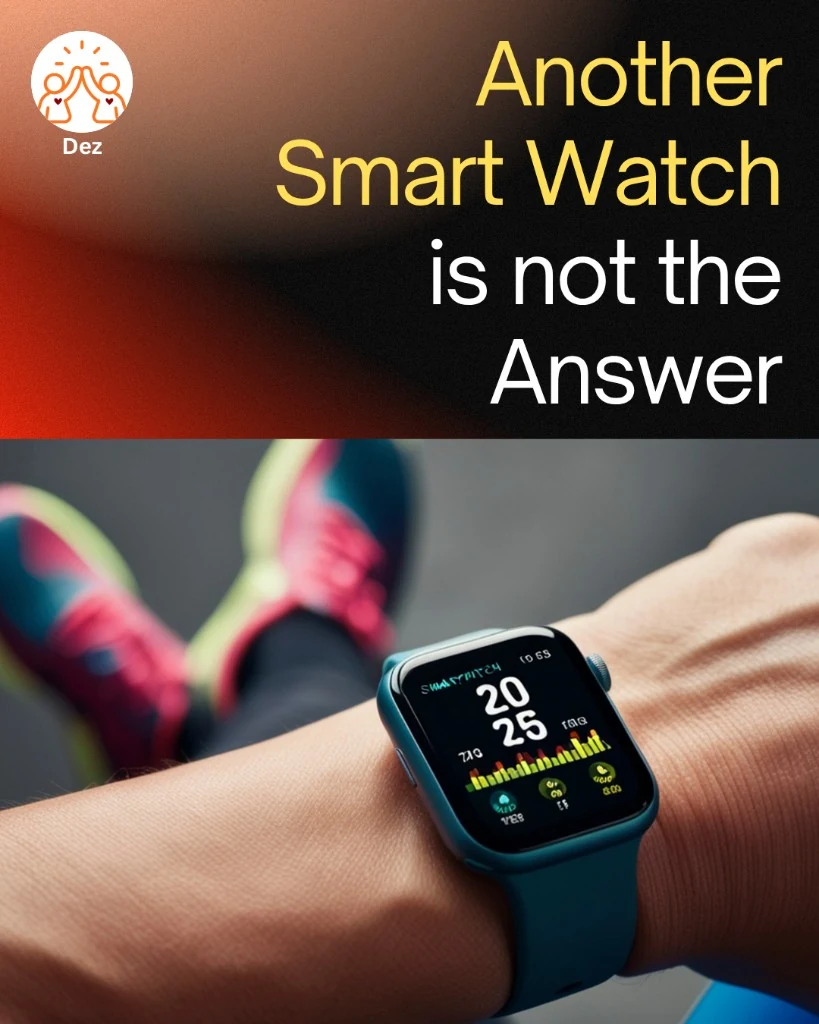
Get them a health tracker. Download this app. Set up medication reminders. Have you tried the Apple Watch?
And you try some of it. Because you want to help. Because you are scared and you want to feel like you are doing something.
But six months in, you realise none of it was built for this. The trackers are for people who manage their own health. The apps are for the person using them, not the person caring alongside them.
What you actually needed was something nobody offered you: a way to make what you know count.
Here is the thing about caregivers that the health industry has not figured out yet.
You are not just a carer. You are the most consistent, most present, most informed observer of that person's health that exists. You notice the shift in their sleep before it shows up anywhere. You know when the appetite change is worry-worthy versus just a bad week. You track patterns in your head that no device is capturing.
That is clinical observation. It just does not get called that.
The moment it hits you is usually in a doctor's office.
You have been watching something for weeks. Something has shifted, you are sure of it. You try to describe it and the words come out softer than the knowing feels.
He has not been himself. She seems more tired than usual. Something is off.
The doctor listens. They do what they can with what you give them. In medical language, what you just offered is anecdotal evidence, not grounded in data or documented trends. Just perspective.
You leave with the same quiet frustration you walked in with.
What I want new caregivers to know
What I want new caregivers to know is this: your observation was not wrong. It was almost certainly right.
What was missing was not a better device for your family member to wear. What was missing was a way to turn what you see every day into something a doctor can act on.
You can build that habit yourself, right now, with nothing more than a notes app on your phone.
Date. What you noticed. How long it lasted. Even two lines is enough.
When something feels different, write it down. "Has not finished a meal in nine days" lands in a medical appointment very differently than "has not been eating well." Specificity is what moves a doctor from nodding to acting.
You do not need to diagnose. You do not need to interpret. Your job is to observe and describe, clearly and consistently. That is a skill. It is learnable. And once you have it, every medical conversation changes.
The first year of caregiving is hard in ways nobody prepares you for. But this part, the advocating, the noticing, the becoming the person who knows, that is something you can do.
You are already doing it.
That is why we built Dez: so you do not have to remember it all or keep writing it down. We track and note it for you.