
1. Introduction: Healthcare is Episodic
Amyotrophic lateral sclerosis (ALS) is a progressive, fatal neurodegenerative disease that strikes approximately 2 to 3 individuals per 100,000 annually in the United States, according to data compiled by the Centers for Disease Control and Prevention and the National Institutes of Health. At any given time, roughly 30,000 Americans are living with this disease, a number that belies the profound systemic burden it imposes on patients, caregivers, healthcare institutions, and insurers alike. Unlike many chronic conditions that can be managed with relative stability over years, ALS progresses relentlessly. Median survival from symptom onset ranges from 2 to 5 years, and while approximately 10 percent of patients survive beyond a decade, the trajectory for most is one of accelerating functional loss culminating in respiratory failure. The disease does not pause between clinic visits, and its management therefore cannot be understood solely through the lens of scheduled medical encounters.
The standard model of ALS care is organised around multidisciplinary clinic visits scheduled every 2 to 3 months. These clinics typically involve neurologists, pulmonologists, speech-language pathologists, physical and occupational therapists, nutritionists, and social workers. They represent best practice and have been shown to deliver measurably better outcomes. Traynor et al. (2003), writing in The Lancet, demonstrated that patients attending specialised multidisciplinary ALS clinics experienced significantly improved survival compared with those receiving general neurological care alone. Chio et al. (2006) corroborated these findings, further establishing multidisciplinary care as a standard of care benchmark rather than a supplementary service. Yet even within this optimised model, the fundamental architecture of care remains episodic: a patient is assessed, a plan is formed, and then the patient returns to their home environment for 8 to 12 weeks during which the disease continues its progression unobserved by the clinical team.
This observational gap is not merely a logistical inconvenience. It is a structural limitation with direct clinical and financial consequences. Between clinic visits, patients experience falls, aspiration events, respiratory deterioration, dysphagia progression, and mounting psychosocial distress. Caregivers, often family members with no formal clinical training, are required to interpret and respond to these developments in real time, frequently without clear guidance. The disease burden is thus borne most heavily in precisely the setting where it is least monitored: the home. For researchers, this gap represents a substantial loss of longitudinal data that could otherwise inform prognostic modelling, intervention timing, and subgroup stratification. For insurers, it represents a window during which preventable high-cost events accumulate, including aspiration pneumonia, emergency intubations, and unplanned hospitalisations.
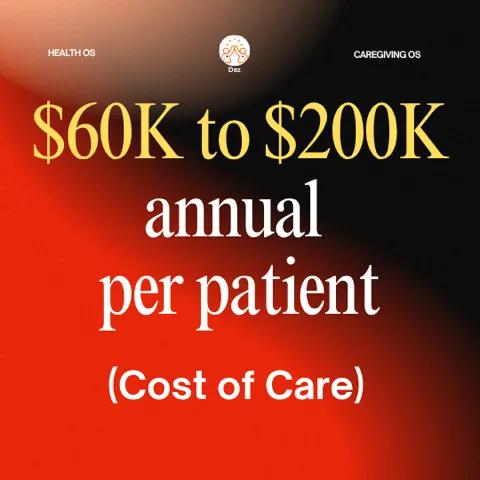
The economics of ALS care underscore the stakes of this gap. Total annual costs of care range from approximately $60,000 to over $200,000 per patient, depending on disease stage, with end-stage costs driven by mechanical ventilation, percutaneous endoscopic gastrostomy (PEG) feeding, and the need for 24-hour supervised care. These figures, drawn from analyses including Larkindale et al. (2014, JNNP), place ALS among the most costly neurological conditions to manage. For health insurers designing coverage models and care pathways, the implication is direct: a condition with this degree of cost variability and trajectory unpredictability demands more than reactive, episode-based management. It demands continuous, structured monitoring that bridges the intervals between clinic visits.
2. A Condition the World Has Briefly Seen
In the summer of 2014, the ALS Ice Bucket Challenge generated one of the most remarkable moments of disease awareness in modern public health history. Across social media platforms, tens of millions of people filmed themselves being doused with ice water and nominated others to do the same, in support of ALS research and awareness. The campaign raised $115 million for the ALS Association in a matter of weeks, dwarfing prior annual fundraising totals by orders of magnitude. Crucially, this was not merely a cultural moment: the research it funded contributed directly to the identification of the NEK1 gene as a significant risk factor for ALS, a discovery announced in 2016 by an international consortium of researchers and representing one of the most important genetic findings in ALS in the preceding decade. The campaign demonstrated that when the public is given a compelling narrative and a participatory mechanism, even rare and poorly understood diseases can break into mainstream consciousness.
Despite this extraordinary moment of visibility, ALS remains classified as an orphan disease, a condition affecting fewer than 200,000 people in the United States at any time and thus qualifying for special regulatory pathways under the Orphan Drug Act. Its relative rarity has historically meant limited commercial investment in therapeutic development, and the treatment landscape today remains thin. Only three FDA-approved disease-modifying therapies have existed at any point in the past decade, and none reverses or halts progression. The Ice Bucket moment faded from public attention within months, and ALS returned to the margins of public discourse: present in specialised clinics, patient advocacy networks, and a small but dedicated research community, but largely invisible to the broader healthcare and insurance ecosystem whose decisions shape the lived experience of patients.
No single case study of ALS is more widely cited, or more instructive for understanding the full range of disease possibility, than that of the theoretical physicist Stephen Hawking. Diagnosed at the age of 21 with a form of motor neuron disease subsequently characterised as a slowly progressive variant of ALS, Hawking lived until the age of 76, surviving 55 years beyond his diagnosis. This duration places him in a category of extreme statistical outliers. His survival was not the product of any treatment unavailable to others. It was the result of round-the-clock professional care, advanced assistive and communication technology, and the institutional support afforded by his position at the University of Cambridge. From a care economics perspective, the Hawking case carries a dual lesson: it illustrates both the extraordinary possibilities that sustained, high-quality support can unlock in ALS and the extraordinary resource requirements that accompany such an outcome. His case establishes the ceiling of what is possible, and implicitly raises the question of what becomes achievable when such support is systematically delivered, rather than reserved for exceptional individuals.
The variability illustrated by contrasting Hawking's 55-year survival with the 2-year survival of Lou Gehrig, or with the 2-to-3-year median that characterises most ALS patients, is not merely a matter of biological chance. It reflects a complex interaction between disease subtype, rate of progression, genetic background, access to care, quality of monitoring, and the timely application of life-sustaining interventions. For insurers and researchers alike, this variability is the central analytical challenge: population-level assumptions about ALS, including average cost, average survival, and average care needs, are poorly predictive at the individual level. Designing effective care pathways for ALS requires an individual risk stratification approach that accounts for the full dimensionality of the disease, from genetic profile to functional trajectory to psychosocial context.
3. What ALS Does to the Body
ALS is defined by the progressive degeneration of both upper motor neurons (UMN), located in the motor cortex, and lower motor neurons (LMN), located in the brainstem and anterior horn of the spinal cord. This dual pathology distinguishes ALS from other motor neuron diseases and produces a characteristic clinical picture combining features of both UMN and LMN dysfunction. Upper motor neuron signs include spasticity, hyperreflexia, the Babinski sign, and pseudobulbar affect, which is emotional lability caused by loss of cortical inhibition over emotional expression. Lower motor neuron signs include fasciculations (visible muscle twitching), progressive muscle atrophy, hyporeflexia, and weakness that typically begins focally before spreading to adjacent and then distant muscle groups. It is the simultaneous presence of both UMN and LMN signs, in the absence of a sensory deficit or alternative explanation, that points the clinician toward an ALS diagnosis.
Establishing this diagnosis formally requires meeting either the El Escorial criteria, a classification system established by the World Federation of Neurology, or the updated Awaji criteria, which incorporate electrophysiological evidence of LMN dysfunction and are considered more sensitive for early diagnosis. Despite these standardised frameworks, the diagnostic journey for ALS patients is notoriously prolonged. Studies consistently show that from the onset of first symptoms to a confirmed ALS diagnosis, patients wait an average of 9 to 18 months. During this period, patients are frequently evaluated for cervical myelopathy, multiple sclerosis, myasthenia gravis, and other mimics before the correct diagnosis is reached. This diagnostic delay is not merely an inconvenience: it delays enrolment in multidisciplinary care, delays access to disease-modifying therapies, and delays the critical conversations about advance care planning that should ideally begin early in the disease course.
Approximately 10 percent of ALS cases are familial (fALS), meaning they arise from an identifiable hereditary mutation, while the remaining 90 percent are sporadic (sALS), occurring without a clear family history. The most important genetic contributors to fALS are well characterised. Mutations in the SOD1 gene, encoding superoxide dismutase 1, account for approximately 20 percent of fALS cases and were the first genetic cause of ALS identified, in 1993. The C9orf72 hexanucleotide repeat expansion is now understood to be the most common genetic cause of ALS overall, accounting for approximately 40 percent of fALS cases and 5 to 10 percent of sALS cases. It is also strongly associated with frontotemporal dementia (FTD). Additional significant mutations occur in the FUS and TARDBP (TDP-43) genes, both of which encode RNA-binding proteins implicated in aberrant protein aggregation, a unifying hallmark of ALS pathology regardless of genetic background.
The co-occurrence of ALS and frontotemporal dementia deserves particular emphasis in any analysis of care burden. Approximately 15 percent of ALS patients develop FTD, a syndrome characterised by executive dysfunction, personality change, and impaired social cognition. In these cases, the patient's ability to participate in decision-making, communicate care preferences, and engage with assistive technology is compromised, while caregiver burden is dramatically amplified. From an insurance and care planning perspective, the ALS-FTD overlap represents a high-complexity subgroup requiring substantially greater care resources, earlier advance directive planning, and more intensive caregiver support services. The identification of C9orf72 expansion as the leading genetic driver of this overlap provides both a prognostic marker and a rationale for genetic counselling in affected families. Emerging biomarkers, particularly neurofilament light chain (NfL) measured in cerebrospinal fluid or serum, are providing additional prognostic resolution: elevated NfL levels correlate with faster disease progression and shorter survival, and are increasingly used in clinical trial design and research protocols to stratify patients and track disease course.
The FDA-approved treatment landscape for ALS remains limited but has evolved incrementally. Riluzole, approved in 1995, was the first disease-modifying therapy for ALS. It acts as a glutamate antagonist, reducing excitotoxic neuronal death, and has been shown in multiple trials to extend survival by approximately 2 to 3 months, a modest but statistically significant benefit that established the proof of concept for pharmacological intervention. Edaravone, approved in 2017, is a free radical scavenger that demonstrated slowing of functional decline in a subset of early-stage patients in a Japanese trial, though its benefit has been less consistent in broader populations. AMX0035 (Relyvrio), a combination of sodium phenylbutyrate and tauroursodeoxycholic acid targeting neuronal stress pathways, received FDA approval in 2022 based on Phase 2 data. However, in a significant regulatory reversal, the manufacturer Amylyx Pharmaceuticals withdrew it from the market in 2024 after the Phase 3 PHOENIX trial failed to replicate the Phase 2 survival benefit. This outcome is a sobering illustration of the challenges of ALS drug development and the critical importance of rigorous trial design. Further information on ALS pathophysiology and current treatment is available through the National Institute of Neurological Disorders and Stroke at https://www.ninds.nih.gov.
4. Real Cases, Real Progression
Lou Gehrig, the New York Yankees first baseman whose name became synonymous with the disease in the United States, was diagnosed with ALS in June 1939 and died in June 1941, a survival of exactly two years from diagnosis. His case is considered representative of bulbar-onset ALS, in which initial symptoms affect the muscles of speech and swallowing before spreading to the limbs and respiratory musculature. Bulbar-onset ALS carries a characteristically shorter survival than limb-onset disease, reflecting the rapidity with which respiratory compromise ensues when bulbar muscles are involved early. Gehrig's voluntary retirement from baseball at the peak of his career, and his famous "luckiest man" farewell speech delivered while he was already symptomatic, remain among the most widely recognised moments of a public figure confronting a terminal diagnosis with composure. For researchers and clinicians, his case continues to serve as a reference point for the natural history of rapidly progressive ALS in an era predating modern multidisciplinary care.
In sharp contrast, former NFL safety Steve Gleason was diagnosed with ALS in January 2011 and, as of 2026, continues to live with the disease, now in its 15th year, placing him in the top centile for long-term survival. Gleason's case represents a limb-onset phenotype with slower-than-average progression, supported by an extraordinary infrastructure of assistive technology and advocacy. Through the Team Gleason Foundation, he has become a leading advocate for technology access in ALS, particularly augmentative and alternative communication (AAC) systems including eye-tracking devices that allow him to communicate, compose, and engage publicly despite near-complete physical paralysis. His continued public presence, through social media, documentary film, and Congressional testimony, has made him one of the most visible long-term ALS patients in the world. His case powerfully illustrates both the possibilities of technology-enabled care and the advocacy infrastructure required to access it. More information is available at https://teamgleason.org.
Actor Eric Dane publicly disclosed his ALS diagnosis in 2025, with reports noting a relatively rapid rate of progression. His case illustrates a dimension of ALS that is frequently underappreciated in public discourse: the disease is not predictable in its pace. Two patients diagnosed within weeks of each other, with similar presenting symptoms and similar demographic profiles, may experience dramatically different rates of decline. This variability is not random. It is shaped by disease subtype, site of onset, genetic background, respiratory reserve, and other factors. Yet it is not currently sufficiently predictable at the individual level to allow confident prognosis at the time of diagnosis, which is precisely what makes continuous, longitudinal monitoring so valuable.
From the perspective of insurers and researchers designing ALS-specific care frameworks, the wide variance in survival demands a structured approach to individual risk stratification. The key variables include site of onset (bulbar versus limb onset, with bulbar associated with shorter survival), rate of decline on the ALS Functional Rating Scale-Revised (ALSFRS-R), respiratory function as measured by forced vital capacity, genetic profile (C9orf72 expansion associated with shorter survival and FTD risk), and age at onset (younger age generally associated with slower progression and longer survival). The ALSFRS-R is the clinical gold standard for tracking functional decline across 12 domains spanning bulbar function, fine motor skills, gross motor skills, and respiratory function, scored from 48 (normal) to 0 (complete functional loss). Its rate of change over time, the monthly slope of decline, is the single most widely used prognostic indicator in both clinical practice and clinical trial design.
5. The Pattern of Decline Is Not Uniform
While the overall trajectory of ALS is one of inexorable decline, the pace and pattern of that decline vary substantially between patients and across disease stages. Two validated staging systems have been developed to provide standardised frameworks for tracking progression. The King's College ALS staging system classifies patients into four stages based on the number of anatomical regions (bulbar, cervical, lumbar, respiratory) in which functional involvement has been detected, progressing from Stage 1 (one region affected) through Stage 4 (nutritional or respiratory failure requiring intervention). The Milano-Torino (MiToS) system similarly uses a four-stage framework but focuses specifically on functional domains assessed by the ALSFRS-R, offering an alternative granularity for clinical and research applications. Both systems have been validated against survival outcomes and are increasingly used to stratify patients in clinical trials and multidisciplinary clinic assessments.
On the ALSFRS-R, the rate of decline provides critical prognostic information. Patients losing more than one point per month on the 48-point scale are considered rapid progressors, a group associated with significantly shorter survival and earlier need for life-sustaining interventions. Those losing fewer than 0.5 points per month are considered slow progressors, with correspondingly longer survival horizons. This rate is not fixed: progression can accelerate at distinct biological transitions, particularly with the onset of respiratory compromise, making continuous monitoring of ALSFRS-R slope more informative than any single time-point assessment. In clinical trials, ALSFRS-R slope has become the primary efficacy endpoint, underscoring its recognised validity as a proxy for disease course and intervention benefit.
Early-stage ALS is characterised by focal weakness, fasciculations, dysarthria or dysphagia, and subtle changes in fine or gross motor function that may be attributed to musculoskeletal causes, cervical spine disease, or anxiety before the correct diagnosis is established. The average diagnostic delay from first symptom to confirmed ALS diagnosis is approximately 12 months, during which the disease progresses, potential trial windows close, and care planning is deferred. In the middle stage of the disease, patients develop significant dependence in activities of daily living, face rising aspiration risk, and reach the clinical thresholds for nutritional and communication interventions. Percutaneous endoscopic gastrostomy (PEG) tube placement is typically recommended when body weight loss exceeds 10 percent of pre-disease weight, or when swallowing becomes unsafe as assessed by a speech-language pathologist, ideally while the patient's respiratory function remains sufficient to safely undergo the procedure.
In the advanced stage of ALS, the focus of care shifts to respiratory support, comfort, and end-of-life planning. Respiratory failure is the cause of death in approximately 80 percent of ALS patients, making pulmonary function monitoring a cornerstone of longitudinal ALS care. Forced vital capacity (FVC) below 50 percent of predicted is the standard clinical threshold for initiating conversations about non-invasive ventilation (NIV), such as bilevel positive airway pressure (BiPAP). A landmark randomised controlled trial by Bourke et al. (2006), published in Lancet Neurology, demonstrated that NIV extends survival by approximately 7 months and significantly improves quality of life in patients with preserved bulbar function, establishing NIV as one of the most evidence-supported interventions in ALS management. The timing of NIV initiation, tracheostomy decisions, and transition to hospice care are among the most consequential and emotionally complex decisions in ALS, and they are made far more effectively when the clinical team has continuous, accurate data on the patient's respiratory and functional trajectory rather than a snapshot taken at the previous clinic visit.
6. The Invisible Data That Shapes Outcomes
The home is where most ALS disease burden is experienced and where the most clinically meaningful data is generated, yet it remains the setting where the least structured clinical observation occurs. Caregivers, typically spouses, adult children, or hired support workers, accumulate detailed empirical knowledge of the patient's daily functional status, sleep quality, eating behaviour, communication ability, and respiratory comfort. This knowledge is systematically underutilised in clinical decision-making, not because it lacks value, but because the healthcare system currently has no infrastructure for capturing and transmitting it in a structured, actionable form. The result is that clinicians making critical intervention decisions are working from a dataset that is months out of date by the time the patient presents for their next scheduled visit.
Several specific signals are now understood to be detectable earlier through passive or semi-passive monitoring than through clinical assessment at fixed intervals. Speech changes, including alterations in voice quality, articulation precision, speech rate, and fluency, are among the earliest functional manifestations of bulbar involvement in ALS. Voice analysis tools, including smartphone-based acoustic analysis and purpose-built clinical platforms, can quantify these changes with a sensitivity that precedes clinical detection of dysarthria by days to weeks. This window represents a meaningful opportunity: early identification of bulbar decline can accelerate referral to speech-language pathology, prompt evaluation for AAC devices, and trigger dietary modification to reduce aspiration risk, all before a crisis event forces an emergency intervention.
Wearable accelerometry, devices that continuously measure limb movement, gait parameters, and physical activity levels, can track functional decline in ALS between clinical appointments in a continuous, objective, and passively collected manner. Studies examining accelerometry in ALS have demonstrated strong correlations with ALSFRS-R scores and have shown that activity-based measures can detect clinically meaningful changes weeks before they manifest on scheduled clinical assessments. For the research community, this passive sensing approach represents a qualitative transformation in the richness of ALS natural history data. Rather than monthly or quarterly snapshots, researchers gain access to daily or even hourly trajectories of functional decline, creating the longitudinal granularity needed to identify disease subtypes, test optimal intervention timing, and build the training datasets required for machine learning-based prognostic models.
The financial case for technology-enabled monitoring in ALS is grounded in the economics of high-cost events. ALS-related hospitalisations carry an average inpatient cost of approximately $47,000 per stay, according to Larkindale et al. (2014, Journal of Neurology, Neurosurgery and Psychiatry). ICU admissions, most commonly triggered by acute respiratory failure in inadequately monitored patients, substantially exceed this figure. Many of these admissions are not medically inevitable. They are the downstream consequences of missed deterioration signals that, had they been detected earlier, would have led to timely NIV initiation, aspiration precautions, or palliative care transitions that precluded the acute crisis. For insurers, the return on investment of continuous monitoring technology is therefore not hypothetical: it can be calculated against the avoided cost of emergency presentations, unplanned hospitalisations, and the downstream complications of delayed intervention.
7. When Continuity Becomes the Difference
The distinction between a clinical snapshot and a longitudinal trajectory has direct and measurable implications for patient outcomes in ALS. A clinical snapshot, captured at a scheduled appointment, reflects the patient's status on a single day, a day that may not be representative of the week or month that preceded it, and that tells the clinician nothing about the rate at which function is changing between visits. A longitudinal trajectory reveals the slope of decline: how fast the patient is losing function, whether that rate is accelerating or stable, and when specific functional thresholds are likely to be crossed. It is the trajectory, not the snapshot, that should drive intervention timing in ALS. Yet most clinical decision-making in ALS is based on snapshots, because that is all the current monitoring architecture provides.
The practical implications of this limitation are significant. The ALSFRS-R is administered every 3 months in most multidisciplinary ALS clinics. In a patient declining at a moderate rate, 3 months represents a loss of 2 to 3 functional points, a change that could include crossing the FVC 50 percent threshold for NIV initiation, reaching the body weight loss threshold for PEG placement, or losing the ability to operate a communication device. Each of these thresholds, if crossed without clinical awareness, represents a missed opportunity for timely intervention. Once respiratory function deteriorates to the point of acute failure, the patient is no longer a candidate for elective NIV initiation under controlled conditions. They become an emergency intubation event, with all the associated costs, risks, and potential compromise of previously expressed care preferences.
For insurers, the financial logic of this dynamic is straightforward. Unplanned hospitalisations in ALS cost significantly more, in direct medical costs, in downstream care complexity, and in care quality, than the proactive interventions that could have prevented them. A missed respiratory deterioration that leads to emergency intubation may commit a patient and their family to a care trajectory involving prolonged mechanical ventilation, eventual tracheostomy, and ICU-level nursing needs, all of which may not have reflected the patient's stated wishes, and all of which could have been avoided with better monitoring and earlier, informed conversation. Function lost in ALS is virtually never regained, and every period of undetected decline represents an irreversible diminution of the patient's functional reserve and quality of life. The lever that separates good outcomes from poor ones in ALS care is early, coordinated response to deterioration, and that lever can only be pulled when the deterioration is detected.
The multidisciplinary ALS clinic model, validated by Traynor (2003) and Chio (2006), demonstrates that coordinated, team-based care is associated with longer survival, fewer hospitalisations, and better quality of life relative to general neurology care. The challenge now is not to displace this model but to extend its reach into the between-visit intervals where patients currently receive no structured monitoring. The combination of multidisciplinary clinic expertise with continuous home-based monitoring represents a care architecture that matches the temporal reality of ALS: a disease that progresses not in quarterly increments, but day by day.
8. Technology's Role in Bridging the Gap
Assistive and augmentative communication (AAC) technology has arguably done more to transform the lived experience of ALS than any pharmacological intervention developed to date. Eye-tracking systems, most prominently those manufactured by Tobii Dynavox, allow patients with complete limb paralysis and loss of speech to compose text, control computers, communicate in real time, and operate smart home devices using only the movement of their eyes. For patients like Steve Gleason, who have been living with advanced ALS for more than a decade, these systems are not merely assistive devices. They are the primary means through which the patient continues to engage with the world, to advocate, to parent, and to maintain a meaningful social presence. Brain-computer interface (BCI) technology represents the next frontier in this domain: early clinical trials have demonstrated that patients in locked-in states can learn to communicate basic words and sentences via neural signal decoding, opening possibilities for patients for whom even eye-tracking has become impossible.
Telehealth ALS clinics, accelerated by the COVID-19 pandemic, demonstrated in several pilot studies that remote multidisciplinary assessments can achieve non-inferior clinical outcomes to in-person visits for appropriate patient populations. The ability to conduct ALSFRS-R assessments, respiratory monitoring, speech evaluations, and psychosocial check-ins via video consultation reduces the burden on patients and caregivers who may find travel increasingly difficult as disease progresses. It also enables more frequent touchpoints that would be infeasible if every contact required a clinic visit. The integration of home-based spirometry devices, wearable sensors, and digital patient-reported outcome tools with telehealth platforms creates a model of continuous, hybrid care that preserves clinical expertise while extending its reach into the home environment.
Digital biomarkers represent an emerging and potentially transformative category of ALS monitoring tools. Speech analysis algorithms applied to recordings of connected speech can quantify ALS-related dysarthria with a precision that exceeds clinical impression, tracking changes in articulatory accuracy, speech rate, and acoustic voice quality over time. Smartphone spirometry apps now allow patients to perform daily lung function assessments at home, generating continuous respiratory trajectory data that would previously have been captured only at quarterly clinic visits. Wearable accelerometers embedded in commercial smartwatches can passively monitor daily step count, movement quality, and physical activity patterns as proxies for gross motor function. Together, these tools constitute the foundation of a digital phenotyping approach to ALS: the construction of rich, longitudinal, multi-domain functional profiles that extend the clinical gaze continuously between appointments.
For health insurers, the return on investment framing for ALS monitoring technology is compelling when grounded in cost data. Each ICU admission attributable to acute respiratory failure in ALS costs an average of $50,000 to over $100,000 in direct medical costs, and this figure does not account for the downstream care burden, the potential forced transition to invasive ventilation, or the quality-of-life costs to patient and family. The per-patient annual cost of a comprehensive home monitoring programme, covering wearables, spirometry, speech analysis software, and remote nursing touchpoints, is a fraction of the cost of a single preventable ICU admission. When this calculation is scaled across a population of ALS patients managed by a large insurer or integrated health system, the aggregate financial case for proactive monitoring is substantial. For researchers, the parallel value of these digital datasets lies in their potential to produce the natural history data needed to power the next generation of ALS trials: larger, richer, more granular, and more representative of the full spectrum of disease course than any clinic-based dataset can provide.
The digital transformation of ALS care is not without challenges. Data privacy, device usability for patients with limited hand function, interoperability with existing electronic health record systems, and equitable access across socioeconomic strata are all material concerns that must be addressed in any responsible implementation. But the trajectory is clear: the tools now exist to bridge the observational gap that has long been one of the most consequential structural limitations of ALS care. The question is no longer whether continuous monitoring is technically feasible. It is whether the healthcare and insurance systems are organised and incentivised to deploy it at scale.
9. A Condition That Demands Continuous Care
ALS is not merely a clinical challenge. It is a systems and data challenge of the first order. Its complexity lies not only in the biological mechanisms of neuronal degeneration, the genetic heterogeneity of its causes, and the near-complete absence of curative therapies, but in the profound mismatch between the episodic architecture of current healthcare delivery and the continuous, relentless nature of disease progression. Every system that touches ALS, from the multidisciplinary clinic to the health insurer to the caregiver in the home, must confront this mismatch and find ways to bridge it. The alternative is a care model that perpetually responds to crises that were, in retrospect, predictable and preventable.
The cases of Stephen Hawking, Steve Gleason, and Lou Gehrig illustrate, in their dramatic divergence, that outcomes in ALS are not determined solely by diagnosis. Gehrig's two-year survival was not simply what ALS does. It reflected the natural history of a severe, bulbar-onset phenotype in an era before NIV, before PEG feeding, before multidisciplinary care models, and before any disease-modifying therapy. Hawking's 55-year survival was not simply a biological quirk. It reflected the transformative effect of sustained, high-quality, technology-enabled support in a context of extraordinary institutional resources. Gleason's 15-year survival and continuing public life reflects the intersection of a slower phenotype, exceptional assistive technology, and a community of support built around him through his own advocacy. What unites these cases is the recognition that what surrounds a patient, in terms of monitoring, support, technology, and continuity, is as determinative of outcomes as the biology of their disease.
For the research community, the next frontier in ALS is not only the development of new pharmacological therapies, though that work remains essential and urgent. It is the use of continuous, real-world patient data to stratify patients more accurately from the point of diagnosis, to identify optimal timing for existing interventions, to characterise disease subtypes with greater precision, and to build the natural history datasets that will power the trials of tomorrow. The digital monitoring tools now becoming available represent an unprecedented opportunity to transform the research landscape: to move from quarterly snapshots to daily trajectories, from population-level estimates to individual predictions, and from reactive intervention to proactive, data-driven care planning.
For the insurance community, ALS represents a high-cost, high-variability condition where early, coordinated intervention delivers measurable return on investment, not as an abstract claim, but as a calculable reduction in emergency hospitalisations, avoided ICU admissions, and optimised care transitions that preserve both quality of life and cost efficiency. The reactive, episode-based model of ALS care management is not merely clinically suboptimal. It is financially inefficient. ALS is no longer only a silent, invisible progression. It is becoming a condition where awareness, technology, and coordinated care are gradually expanding what is possible, and where the systems that support care will be as determinative of outcomes as the treatments themselves.
References
King's College Staging System: Roche JC, Rojas-Garcia R, Scott KM, et al. A proposed staging system for amyotrophic lateral sclerosis. Brain, 2012; 135(3): 847-852: https://pubmed.ncbi.nlm.nih.gov/22271664
MiToS (Milano-Torino Staging): Chiò A, Hammond ER, Mora G, et al. Development and evaluation of a clinical staging system for amyotrophic lateral sclerosis. Journal of Neurology, Neurosurgery and Psychiatry, 2015; 86(1): 38-44: https://pubmed.ncbi.nlm.nih.gov/24842590
Both are widely cited and peer-reviewed. The King's system was developed at King's College London and the validation against survival outcomes has been replicated in multiple subsequent cohort studies. The MiToS system came out of the ALS clinic in Turin and uses ALSFRS-R subscores rather than region counts, which is why the two systems sometimes give different staging for the same patient.
NINDS: ALS Information: https://www.ninds.nih.gov
ALS Association: https://www.als.org
Team Gleason Foundation: https://teamgleason.org
Traynor BJ et al. (2003). Effect of multidisciplinary care on outcome in ALS. Lancet 361(9363):1073-1074: https://pubmed.ncbi.nlm.nih.gov/12672315
Chio A et al. (2006). Multidisciplinary ALS centre and outcome. J Neurol Neurosurg Psychiatry 77(8):948-950: https://pubmed.ncbi.nlm.nih.gov/16844951
Bourke SC et al. (2006). Effects of NIV on survival in ALS. Lancet Neurol 5(2):140-147: https://pubmed.ncbi.nlm.nih.gov/16426990
Larkindale J et al. (2014). Cost of illness in ALS. J Neurol Neurosurg Psychiatry 85(10):1116-1124: https://pubmed.ncbi.nlm.nih.gov/24501178
Kenna KP et al. (2016). NEK1 variants confer susceptibility to ALS. Nature Genetics 48:1037-1042: https://pubmed.ncbi.nlm.nih.gov/27455347
Project MinE: International ALS genetics consortium: https://www.projectmine.com
Tobii Dynavox: AAC and eye-tracking technology: https://www.tobiidynavox.com