
A friend messaged me last night saying her mum had a stroke last week and now she has five days to set everything up to bring mum home — hospital bed, therapy, a medically-trained helper to handle the day to day (acclimatised to being in Singapore and ready to run from day one) and a whole new life she hadn't imagined.
Her stress and anxiety hung heavy. I gave her a few suggestions and my help. Mostly, I listened. She works in a high-pressure environment and chaos is her day. But this was a breaking point.
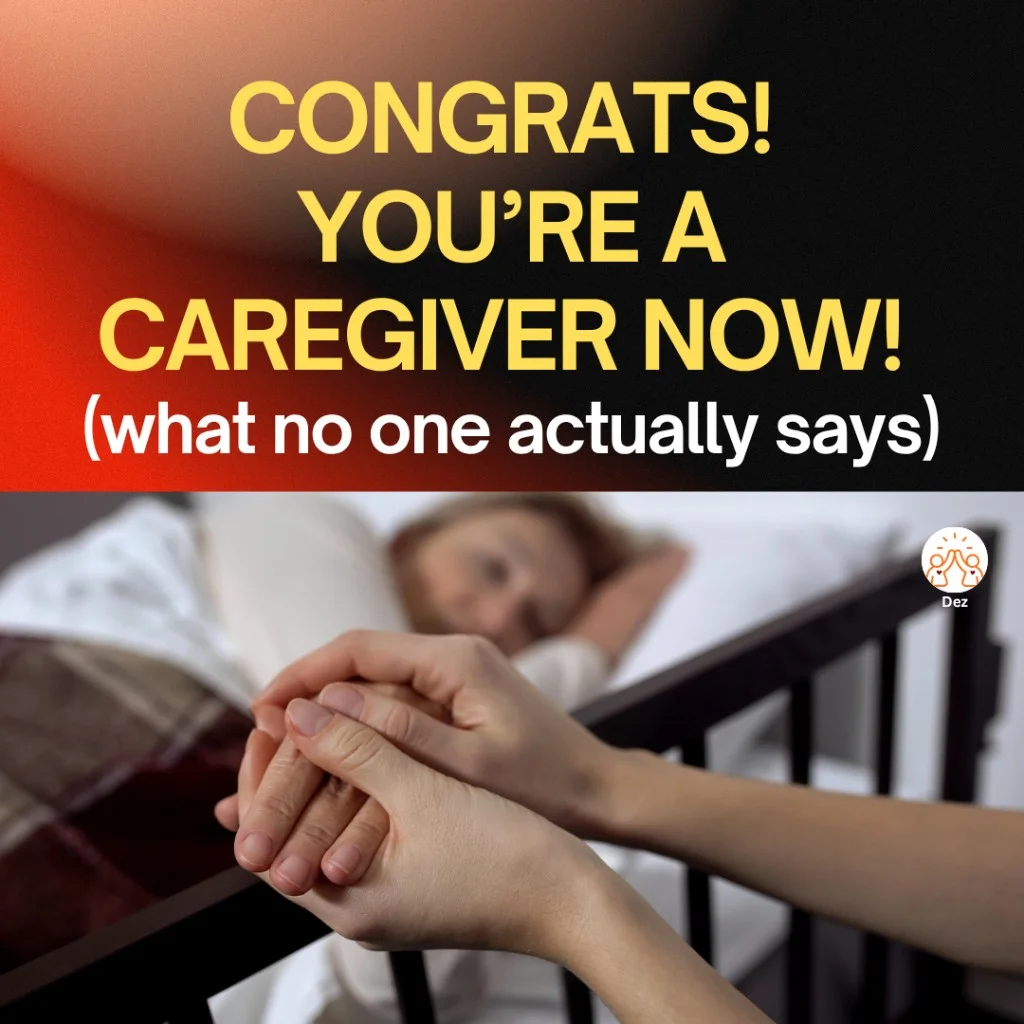
This is what happens. One minute you're living a normal life. Working, making holiday plans, worrying about ordinary things. The next, everything changes. A diagnosis. A hospital call. A fall. A stroke. Dementia. Cancer. Parkinson's. Suddenly, you're no longer just a daughter, son, spouse, sibling, or friend. You've become a caregiver on the spot.
For many people, caregiving doesn't come with preparation or warning. There's no handbook handed to you in the emergency room. No emotional training for what comes next. Now you're coordinating medications, managing appointments, learning medical terms, handling paperwork, monitoring symptoms, and trying to hold your family together while pretending you're okay.
The emotional shock can feel similar to grief because in many ways, it is grief.
Caregivers often go through the stages of grief long before they fully realise it.
Denial often comes first.
"This can't be happening."
"Maybe the doctors are wrong."
"It's probably temporary."
In the beginning, many caregivers go into survival mode. They focus on logistics and practical tasks while emotionally struggling to process what has actually happened.
Then comes anger.
Anger at the situation. Anger at siblings who disappear. Anger at healthcare systems that feel cold or fragmented. Anger at the loss of freedom, sleep, stability, and sometimes even identity. Many caregivers feel guilty for this anger, but it is an incredibly human response to sudden life-altering pressure.
After that, some experience bargaining.
"If I work harder, maybe things will improve."
"If we find the right specialist early enough…"
"If I sacrifice more of myself, maybe I can hold everything together."
Caregivers often push themselves far beyond healthy limits during this stage, trying to regain control over something deeply uncertain.
Then comes depression, though it may not look obvious from the outside.
It can appear as emotional numbness, exhaustion, isolation, brain fog, chronic stress, or the quiet feeling that life has become smaller. Many caregivers describe grieving the future they thought they would have, while also grieving the gradual changes happening to someone they love.
Eventually, some reach a form of acceptance.
Not acceptance that things are "okay," but acceptance that life has changed. They begin adapting to a new rhythm, new responsibilities, and a new version of themselves. The caregiving role becomes part of daily life, even if the emotional weight never fully disappears.
What makes caregiving especially difficult is that it is often invisible to everyone else.
People see the appointments and practical tasks, but they don't see the constant mental load:
- worrying about medications
- checking if someone has eaten
- monitoring behavioural changes
- waking up throughout the night
- managing financial stress
- carrying fear about what happens next
Over time, many caregivers begin losing parts of themselves. Careers get paused. Friendships fade. Hobbies disappear. Sleep becomes inconsistent. Anxiety quietly builds in the background. Some caregivers even feel guilty for admitting how exhausted, frustrated, or emotionally drained they are because they love the person they're caring for.
And yet, despite the exhaustion, caregivers continue.
Not because they are superheroes. Not because they have endless strength. But because love, responsibility, and survival leave them feeling like there is no other option.
The reality is that becoming a caregiver overnight changes people permanently. It forces ordinary people into emotionally intense situations they were never trained for. And while healthcare systems focus heavily on the patient, caregivers themselves are often left unsupported, overwhelmed, and expected to simply "cope."
Behind almost every person receiving care is someone quietly carrying the emotional, physical, and mental weight of keeping life together.